
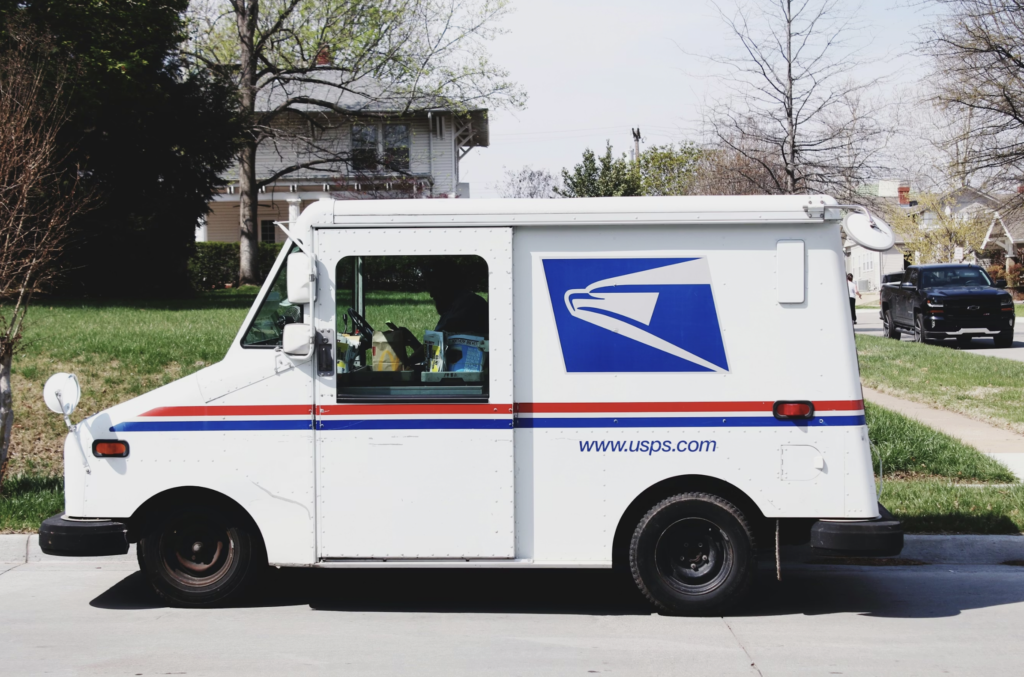

For the first time ever, USPS is rolling out an 8% surcharge to select products effective April 26, 2026.
So if your business relies on USPS for shipping, expect your costs to go up.
But this isn’t the kind of change that should destroy your margins. And for many sellers, USPS might still be the most cost-effective option compared to other carriers (even with the surcharge in place).
What the USPS 8% Surcharge Actually Applies To
To be clear, this isn’t a blanket increase across every USPS product.
The 8% increase applies to:
- Priority Mail Express
- Priority Mail
- USPS Ground Advantage
- Parcel Select
For businesses shipping packages through USPS, there’s a good chance that at least part of your volume falls into one of these categories.
The increase is being positioned as a “transportation-related surcharge,” which is a similar concept to fuel surcharges from other carriers. But regardless of how USPS wants to spin this fee in their press releases, make no mistake, this is definitely tied to the rising cost of fuel.
When the USPS Rate Increase Starts (and Ends)
As of right now, this is not a permanent rate hike. USPS says the surcharge is going to be temporary.
- Start Date: April 26, 2026
- Scheduled End Date: January 17, 2027
That said, temporary pricing changes have a way of sticking around in one way or another.
The fact that USPS has never done this before is telling. After 8+ months of the fee in place, they might realize that this went smoother than they thought and either extend the end date or add other surcharges in the future.
Though technically unrelated, USPS will also be looking for ways to recoup some lost revenue as Amazon cuts 20% of USPS shipping volume.
What if Your Business Has a Contract With USPS?
Short answer: you’re likely still affected.
Merchants that have a negotiated service agreement (NSA) with USPS might expect to be protected from broad rate increases like this. But that’s not always how these contracts work.
Most USPS contracts include language that allows the Postal Service to apply surcharges, additional fees, and temporary price increases (like this one).
There’s a chance USPS may choose to reduce or waive part of the increase for certain high-volume contract customers. But that’s not guaranteed, and it’s not something you should count on.
Here’s what you should do instead:
- Review your specific contract language
- Ask your USPS rep if and how the surcharge will be applied
- Model the impact based on your actual shipping risk
If you have a meaningful volume, this is also a good time to leverage that in renewal discussions.
While they may ultimately hold firm on the 8% surcharge, they may be willing to discount your base rates even lower to help offset those costs.
For example, let’s say you’re currently getting a 20% off and negotiate that to 30%, the 8% surcharge doesn’t hit as hard as it sounds. Even after the surcharge gets applied, your effective rate would actually be about 5% lower than what you were paying before, and nearly 30% lower than paying full price with the surcharge.
So a stronger discount here can do much more than offset the increase. You can actually come out ahead.
Other Ways to Lower Shipping Costs Right Now
Most businesses have more control over their shipping costs than they realize. And while you may not be able to eliminate the new 8% surcharge from USPS, you can absolutely take steps to offset it.
1. Optimize Packaging and Dimensions
Dimensional weight is one of the biggest cost drivers in shipping expenses. Small changes here can have a big impact on your savings.
- Use smaller boxes whenever possible
- Standardize your packaging sizes
- Avoid unnecessary void fill
If you’re not actively managing this right now, you’re almost certainly overpaying on shipping.
2. Reevaluate Your Service Levels
Not every package needs to go out as Priority mail.
You can reassess transit time requirements from your location to your customers, and even consider what your customer expectations really are. If it takes an extra day or two for items to arrive, will it actually hurt your customer satisfaction rates? Or is it worth the savings?
Don’t make any drastic decisions right now. But you may consider shifting a portion of your shipments to lower-cost options that won’t have a huge impact on delivery performance.
You can also claim refunds on service failures.
3. Audit Your Statements For Extra Fees and Billing Errors
This is where a ton of money gets lost.
- Nonstandard or oversized charges
- Address correction fees
- Duplicate or incorrect billing
Even “small” errors can add up quickly at scale.
If you’re using other carriers in addition to USPS, there’s a good chance you have even more shipping surcharge fees on your bill. Lowering costs there can reduce your overall shipping costs to help offset the 8% increase from the Postal Service.
4. Strategic Carrier Mix
You don’t have to rely on USPS for everything. While they’re generally cheaper for certain package types, you can shift some of your volume to more cost-effective paths.
Evaluate:
- USPS vs. UPS vs. FedEx
- Zone-based pricing differences
- Regional shipping carriers
- Residential vs. commercial delivery costs
The cheapest option will likely vary based on product, package size, and destination.
Look Beyond Shipping for Savings
Many businesses take a siloed approach to expense management. So when they see an increase in shipping costs, they look for other ways to cut down on shipping (cheaper packaging, products with slower delivery, etc.), which is a logical thought process.
But you can also look at the big picture. There are likely several other areas where you’re overpaying:
- Credit card processing fees
- Vendor contracts and subscriptions
- Waste removal and recycling
- Other operational expenses
We see this all of the time. Businesses absorb a cost increase in one area but more than make up for it by cutting unnecessary spend somewhere else.
And you don’t need to do anything drastic or crazy to achieve these savings. 90% of the time, it’s just a matter of identifying bogus fees and negotiating better terms with your current providers that have been quietly increasing your rates over time.
Final Thoughts
Yes, USPS shipping is getting more expensive.
At minimum for the short term. And potentially longer depending on how this all plays out.
But this isn’t a situation where you’re stuck and can’t do anything about it.
This is a great opportunity for you to tighten your shipping strategy, clean up hidden fees, and reduce costs elsewhere. It’s entirely possible for you to offset the increase and still come out ahead.
If you need help or you’re not sure where to start, contact our team here at The Cost Guards for a free consultation.