
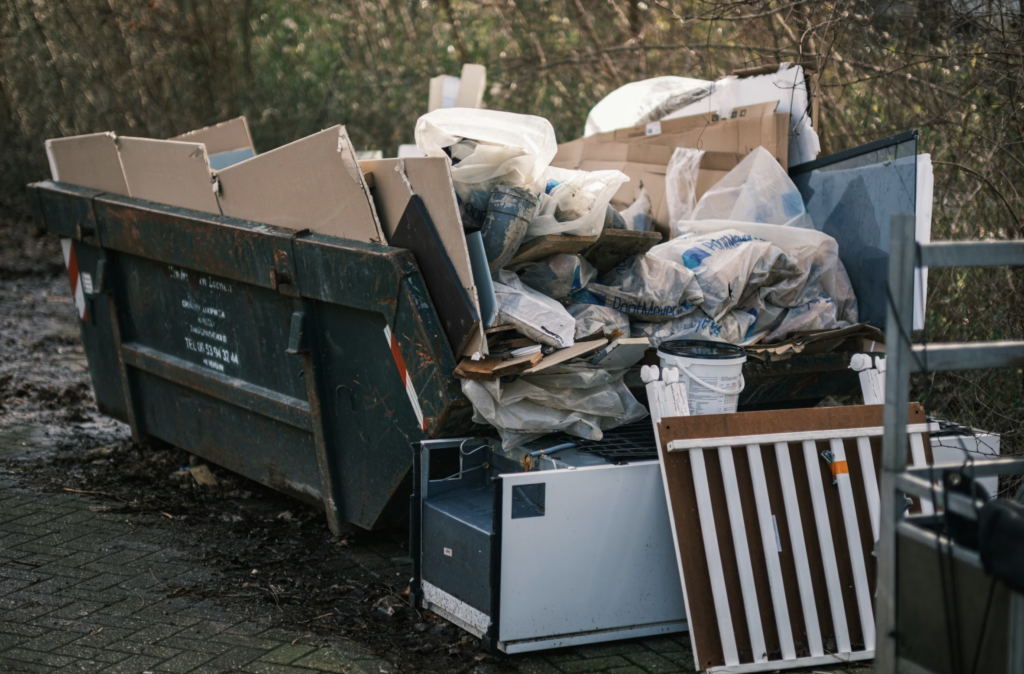

Lots of businesses turn to commercial trash compactors in an attempt to save money on waste fees.
The concept behind this is simple: less volume = fewer pickups = reduced costs. But in reality, the formula isn’t so simple. Commercial compactors don’t always lower bills, and when you factor in the lifespan of your trash compactor, it may not be worth it.
Key Takeaways:
- Commercial trash compactors typically last anywhere from 10-20 years.
- Types of waste being compacted and the frequency of use both play a big role in lifespan.
- Regular maintenance can also help extend the life of your compactor, whereas neglect can shave years off how long it lasts.
- Repair and replacement costs aren’t always worth it, and you can look for alternative ways to save money.
What Affects the Average Lifespan of Commercial Trash Compactors
Type of Compactor: Stationary compactors tend to last the longest because they’re used for dry waste. Self-contained compactors or apartment trash compactors have shorter lifespans. So the type of compactor needed for an office building can often last longer than those used in restaurants, hotels, or grocery stores.
Waste Materials: Compactors that primarily crush dry waste like cardboard and paper will last longer than units compacting food, wet, and mixed waste. Those items typically corrode key components of the machine and cause failures more frequently.
Physical Location: Trash compactors exposed to weather fluctuations and extreme conditions, like freezing temperatures and moist air, won’t last as long as units inside, protected, or in milder climates. The exact same compactor used to crush the same materials may last longer in Arizona than New York.
Maintenance: Most commercial trash compactors need regular maintenance. Inspections should be weekly or monthly at minimum. If parts are wearing out and don’t get replaced promptly, it can create a snowball effect that deteriorates the rest of the unit prematurely.
Quality of Unit: Some compactors are just better than others. If it’s made by a reputable company that is known for their products lasting decades, you should be in good shape. But if the company you got your compactor from has a bad reputation and tons of negative reviews saying the compactor only lasted five years, you shouldn’t be surprised when the same thing happens to yours.
Installation: The people who install your trash compactor play a major role in how long it lasts. For example, if it’s installed on an uneven surface, the unit can shake more frequently when it’s in use and cause parts to break faster than they would have if they were installed properly.
How to Extend the Life of Your Commercial Trash Compactor
Getting the most out of your commercial trash compactor is all about being proactive.
Think of it like a car. Regular oil changes and tire rotations are necessary. And if you never replace your brake pads and drive the car like a madman, the car is going to have problems. Something small that’s easy to do can lead to tons of other issues down the road and bigger bills.
Regular inspections and scheduled cleanings are crucial.
Someone should be looking at your compactor every week for signs of damage, broken parts, and other issues.
Proper training for your staff is also really important, which is something that most businesses overlook. First and foremost, you want to make sure that everyone using the compactor understands how to properly operate the machine. If they overload the compactor or dispose of waste types that don’t belong in there, the unit won’t last as long as it should.
Additionally, your staff should also be able to recognize the warning signs of a problem. If they hear a strange noise or spot a leak, they shouldn’t just continue to use the machine as if nothing is wrong. This can lead to even more damage.
11 Signs Your Commercial Compactor is Wearing Out
In most cases, a perfectly good commercial trash compactor doesn’t suddenly break overnight. There are usually warning signs in the months or sometimes years ahead that your compactor is starting to wear out:
- Strange noises it doesn’t normally make.
- Shaking while compacting trash.
- Incomplete cycles or declining compaction ratios.
- Operating slower than usual.
- Hydraulic leaks or fluid levels dropping faster than normal.
- Excessive rust or corrosion.
- Visible cracks in seals or gaskets.
- Electrical issues like blown fuses, tripped breakers, or control panel malfunctions.
- Ram getting stuck or failing to return to its starting position.
- Unusual odors coming from the motor.
- Door panels no longer close or seal properly.
Recognizing these signs early can help you fix problems before they get worse and extend the life of your commercial compactor.
But ignoring them can cause abrupt failures that will put your business in a tough spot both operationally and financially if the damage is beyond repair.
Is It Better to Repair or Replace Your Commercial Trash Compactor?
It all comes down to cost. A good rule of thumb is that if the cost of repair exceeds 50-60% of a new machine, it’s probably not worth fixing.
But replacing a commercial compactor may not always be necessary.
Think about why your business got a trash compactor in the first place. I’m assuming it was to save money on trash pickups.
Rather than pouring $20k to $50k or more into another machine, you can look for other ways to lower your waste hauling costs that don’t involve such a significant upfront investment.
It takes years for a commercial compactor to pay for itself. And when you factor in the inspections, maintenance, energy, and repairs, any potential savings may be negligible.
Most businesses are better off auditing waste costs and negotiating hauling fees directly with their existing service provider. Changing your pickup frequency or adjusting the size of your bins can go a long way toward savings. Other times, it’s just about identifying some bogus fees and surcharges on your bill.
We’ve even worked with clients who didn’t see their costs go down after using a compactor because their hauler started charging them based on weight. You need to take all of this into consideration before you rush into repairing or replacing your unit. Neither may be worth it.